

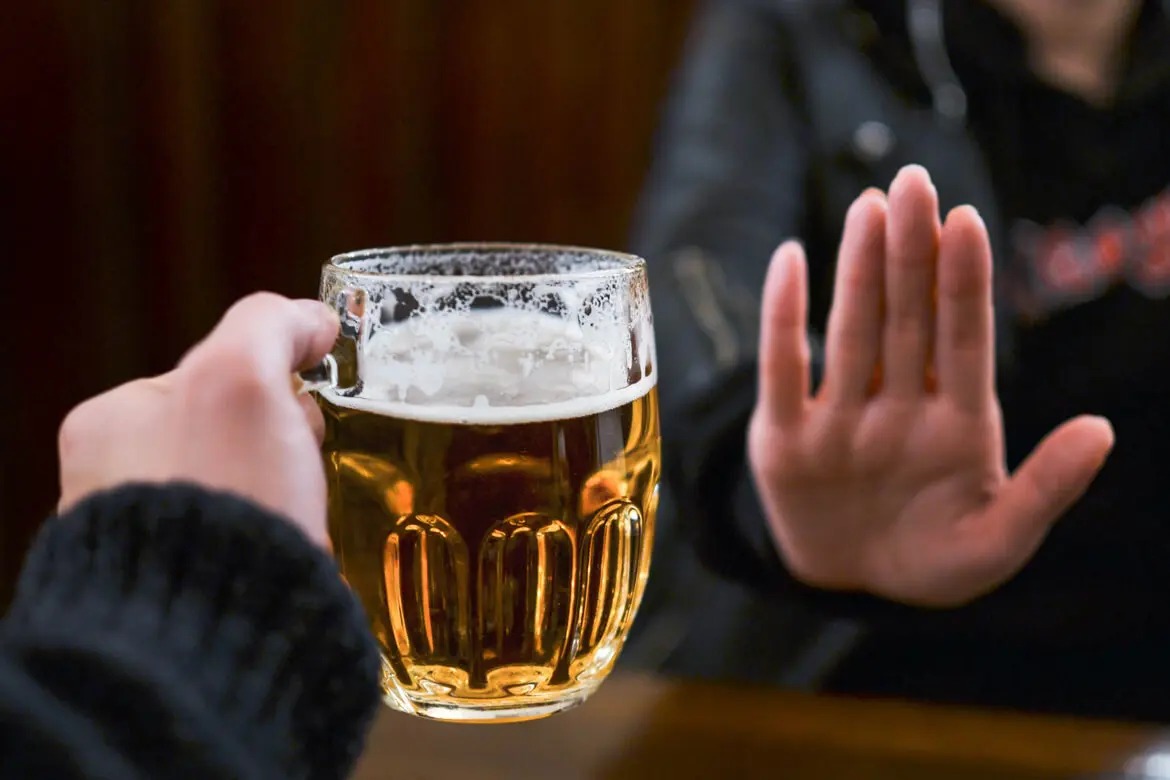
A few years ago, I sat across from a close friend in a hospital ward. He was only in his mid-40s, full of life and laughter just a few years back. But on that day, his skin had a yellow tint, his eyes dull, and his body weak. The culprit? Liver damage from years of heavy drinking.
That moment made me realize something: when we drink heavily, we often don’t think about the invisible toll alcohol takes until it’s too late.
Why the Liver Matters So Much
Your liver is like the body’s personal “detox machine.” It filters your blood, processes nutrients, and breaks down alcohol. The problem is, alcohol is toxic in high amounts, and the liver can only process so much before it starts breaking down itself.
What Heavy Drinking Does Over Time
If you drink heavily and often, here’s what can happen step by step:
- Fatty liver disease: Alcohol causes fat to build up in the liver. At first, you may not even feel symptoms.
- Alcoholic hepatitis: Inflammation kicks in, and now you might notice nausea, abdominal pain, or jaundice (yellowing skin/eyes).
- Cirrhosis: This is where things get serious. The liver develops permanent scarring, and its ability to function drops sharply.
Sadly, by the time cirrhosis develops, the damage is often irreversible.
Listen to Your Body’s Warnings
The signs are subtle at first. Fatigue, reduced appetite, bloating, or mild abdominal discomfort can all be brushed off as “nothing serious.” But for heavy drinkers, these are the whispers of a liver asking for help.
The Human Side of Drinking
We don’t just drink for fun. For many, alcohol is an escape — from stress, loneliness, or even social pressure. That’s why this isn’t just a medical issue, but a human one. Knowing the risks isn’t about shame; it’s about protecting the years ahead of you.
Steps Toward Healing
The good news? The liver is one of the few organs that can regenerate — but only if you give it a chance.
- Cutting down or quitting alcohol is the first and most important step.
- Regular exercise and balanced meals support healing.
- Talking to a doctor about liver health screenings (blood tests, ultrasounds) can catch problems early.
Moral Lesson
When you raise a glass, it may feel like a moment of joy. But if those glasses add up every day, your liver pays the price. Protecting your liver isn’t about saying no to life’s pleasures — it’s about saying yes to a future where you’re still strong enough to enjoy them.



Leave a Reply