

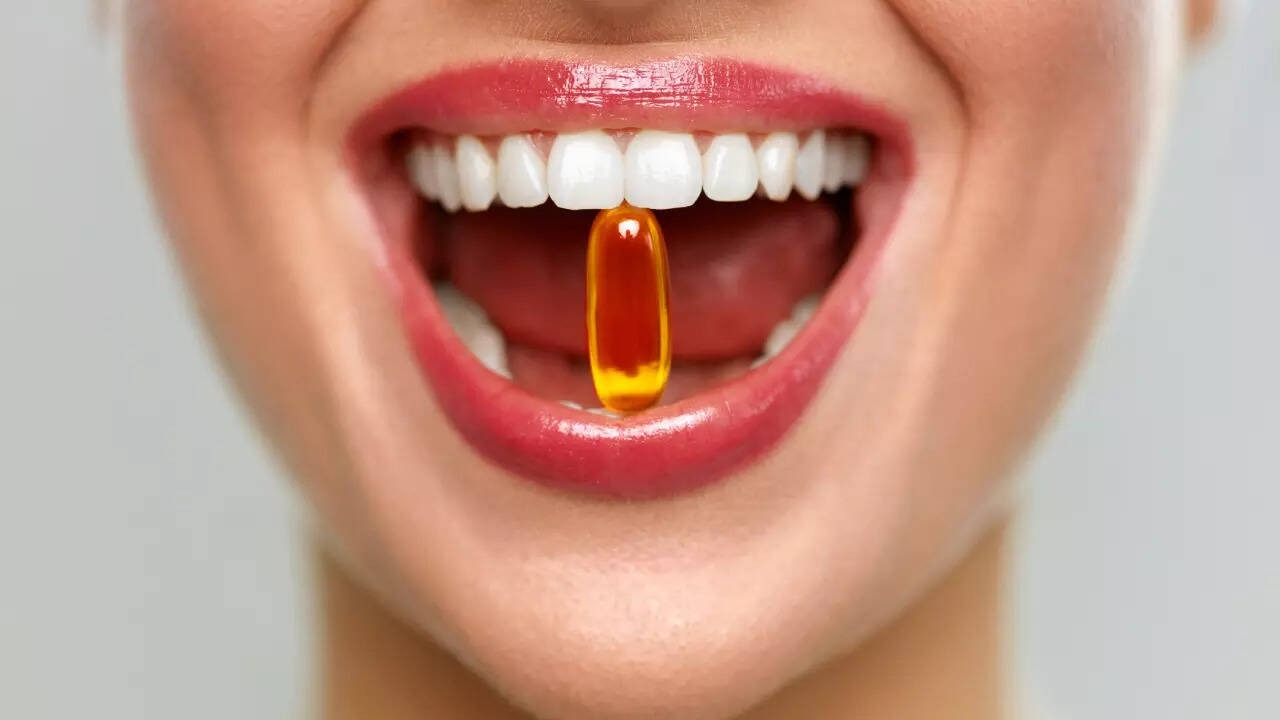
Wellness is a booming industry—driven by a vast, largely unregulated explosion in herbal and dietary supplements. But “natural” doesn’t always mean safe.
According to the FDA, the number of supplements on the market has surged compared to 30 years ago. Although supplement-related liver damage remains uncommon, it’s rising—driven by more people taking more products
Regulation Gaps
Supplements are classified as foods—not drugs—so they bypass the strict safety testing required of pharmaceuticals Claims often lack FDA review or peer‑reviewed support, and manufacturers aren’t required to verify purity, dosage, or accurate labels. As Dr. Robert Brown warns, “let the buyer beware”
Liver Risks & Individual Variability
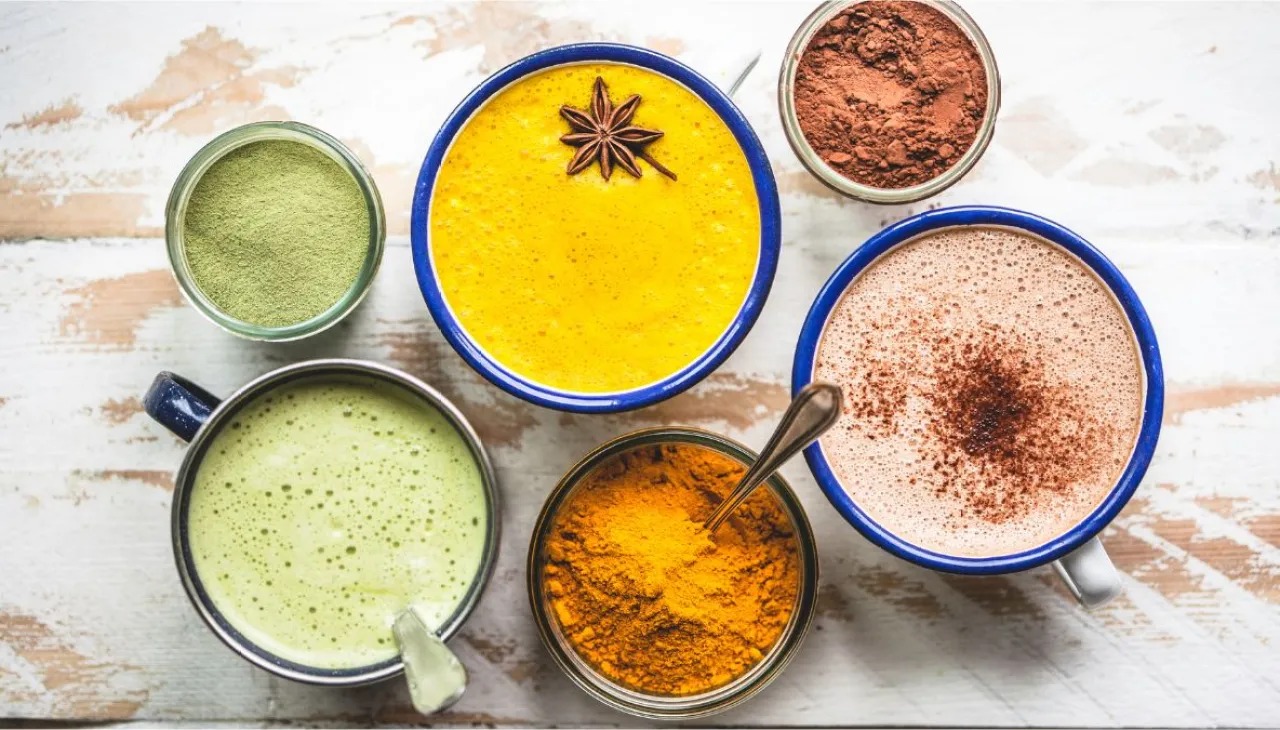
The liver filters everything we ingest, including supplements. Even “natural” botanicals—like turmeric or ashwagandha—can overload it, especially in genetically predisposed individuals . Early liver injury shows no symptoms; only blood tests can detect it. Later signs include fatigue, appetite loss, nausea, jaundice, and more.
Diagnosis & Reversal
Doctors diagnose “toxic hepatitis” by ruling out other liver diseases. Since many supplements contain multiple ingredients, pinpointing the cause can be tough. Fortunately, stopping the supplement usually allows recovery. Rarely, a liver transplant becomes necessary
The Bottom Line
- Supplements lack robust testing and oversight.
- Even “natural” products can be harmful—especially in high doses or for susceptible people.
- Always bring your supplement bottles to your doctor for a risk–benefit discussion.
- Most nutrients are best obtained through a balanced diet; supplements should be used selectively and thoughtfully.



Leave a Reply