


What is Caffeine?
Caffeine is a naturally occurring compound found in coffee, tea, cacao beans (used to make chocolate), and added to energy drinks and certain medications. When consumed, caffeine blocks adenosine — a neurotransmitter that promotes relaxation and sleep — allowing stimulating chemicals like dopamine and adrenaline to surge. This makes us feel more alert, focused, and energized, which is why many of us reach for a coffee first thing in the morning.
In moderate amounts, caffeine has been linked to several potential health benefits, including improved memory, enhanced physical performance, a lower risk of depression, certain cancers, heart disease, and type 2 diabetes.
Potential Side Effects of Caffeine
While caffeine can be beneficial in small doses, too much can lead to negative effects. It can raise blood pressure by triggering the body’s stress response, increase anxiety, and interfere with sleep. Higher caffeine intake has also been associated with a greater risk of bone fractures, possibly due to reduced calcium retention.
Caffeine is a diuretic, meaning it increases urine production, which may contribute to the loss of important water-soluble nutrients like vitamin C, B vitamins, and potassium. It may also worsen symptoms of certain health conditions such as irritable bowel syndrome (IBS).
How Much Caffeine is Too Much?
Caffeine affects everyone differently. While some people can handle several cups of coffee a day, others may experience side effects even at low doses. Generally, the recommended limit is 400mg per day for adults (around four cups of coffee), or 200mg for pregnant or breastfeeding individuals.
Remember, caffeine isn’t just in coffee — it’s also found in tea, chocolate, and energy drinks. If you’re experiencing headaches, anxiety, or trouble sleeping, it may be time to cut back.
The Health Benefits of Coffee
Beyond caffeine, coffee contains plant-based compounds called polyphenols, which have antioxidant and anti-inflammatory properties. These compounds may support brain health and have been linked to a reduced risk of neurodegenerative diseases like Alzheimer’s, Parkinson’s, and dementia.
Moderate coffee consumption (about 3–5 cups per day) has been associated with a lower risk of heart disease — especially in those with well-managed blood pressure. Other potential benefits include improved metabolism, reduced body fat, support for gut health through its prebiotic properties, and a possible link to increased lifespan.
What About Decaf?
If you’re sensitive to caffeine or need to avoid it, decaffeinated coffee can be a great alternative. While it’s not completely caffeine-free, it still offers many of the same health benefits. However, it may contain up to 15% fewer antioxidants due to the decaffeination process. For a cleaner option, look for coffee that uses the Swiss Water Process, which avoids chemical solvents and preserves flavor and nutrients.
Caffeine Alternatives to Explore
If you’re looking to cut back on caffeine but still want a pick-me-up, there are plenty of options:
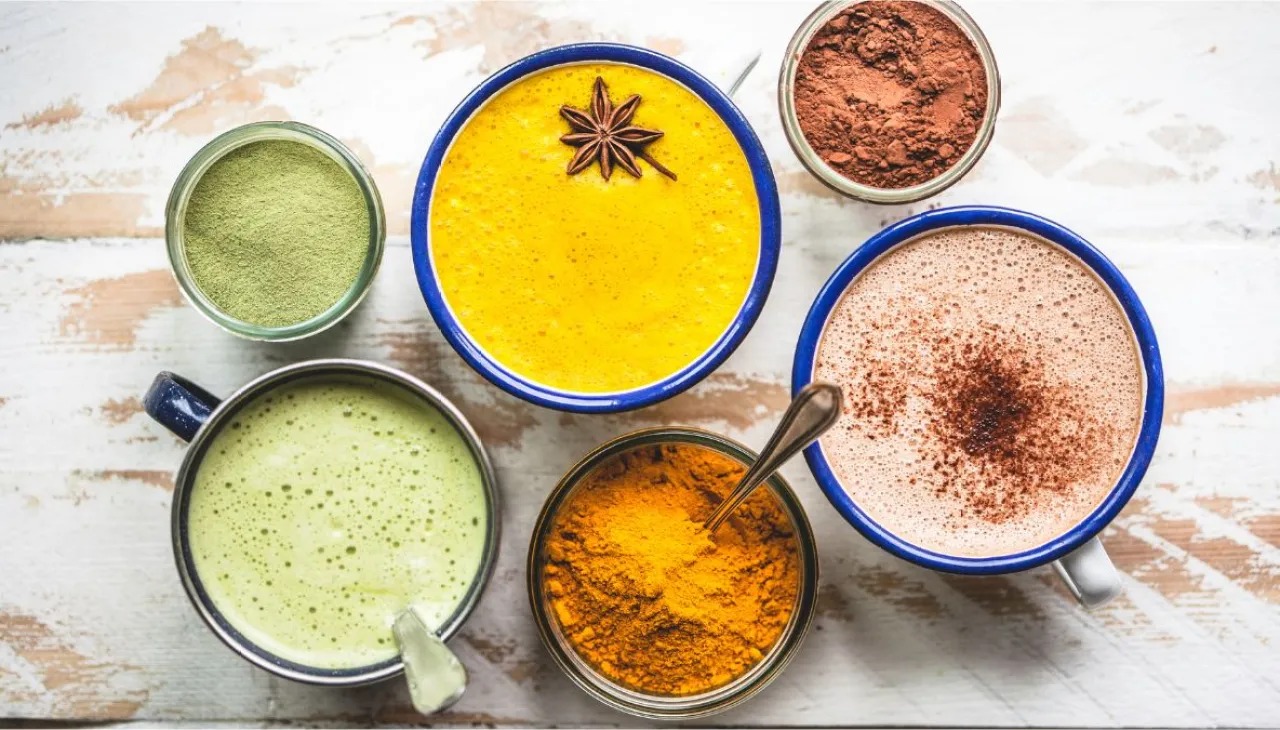
- Matcha: Packed with antioxidants and L-theanine, which promotes calm focus and reduces stress.
- Cacao or Mushroom Coffee: These have lower caffeine content and offer unique health benefits with fewer side effects.
- Golden Milk: Made with turmeric, this caffeine-free drink is rich in anti-inflammatory properties.
- Chicory Coffee: Naturally caffeine-free and rich in prebiotics, it supports gut health.
Smart Tips for Drinking Coffee
- Avoid drinking on an empty stomach to prevent a cortisol spike — eat first if you’re sensitive to stress hormones.
- Separate coffee from iron-rich meals by at least an hour to improve nutrient absorption.
- Stay hydrated, as caffeine has a mild dehydrating effect.
- Watch your timing: Caffeine’s half-life ranges from 2 to 10 hours. Avoid it in the late afternoon or evening to protect your sleep.
- Limit added sugars and syrups, which can disrupt blood sugar levels and increase your risk of weight gain and type 2 diabetes.
Final Thoughts
Coffee — when enjoyed mindfully — can be a valuable part of a healthy lifestyle. Whether you choose regular, decaf, or a tasty alternative, be sure to listen to your body and adjust your intake based on how you feel.




Leave a Reply