
There’s a lot of confusion around dietary cholesterol. Some people think it’s dangerous and should be avoided completely, while others believe it’s perfectly harmless.
The truth lies somewhere in the middle.
Cholesterol is actually essential for your health. Your liver produces it naturally because your body needs it to make hormones, vitamin D, and bile acids that help digest fat.
So why does cholesterol get such a bad reputation if it’s so important?
It’s Complicated
The cholesterol you eat is not the same as the cholesterol in your bloodstream that can clog your arteries. This is where most of the misunderstanding comes from.
Your body also has two main types of blood cholesterol:
- LDL (bad cholesterol): can build up on artery walls and increase the risk of heart attack or stroke.
- HDL (good cholesterol): helps remove LDL from the arteries and carries it back to the liver to be broken down.
About one in three people are “cholesterol responders,” meaning that when they eat foods high in cholesterol, their blood cholesterol levels go up. For most people, though, trans fats and refined carbs have a much bigger impact on blood cholesterol than dietary cholesterol itself.
Since there’s no simple test to know if you’re a responder, the safest approach is to limit dietary cholesterol, especially if you already have diabetes, heart disease, or a family history of either condition.
Should You Cut Out Dietary Cholesterol Completely?
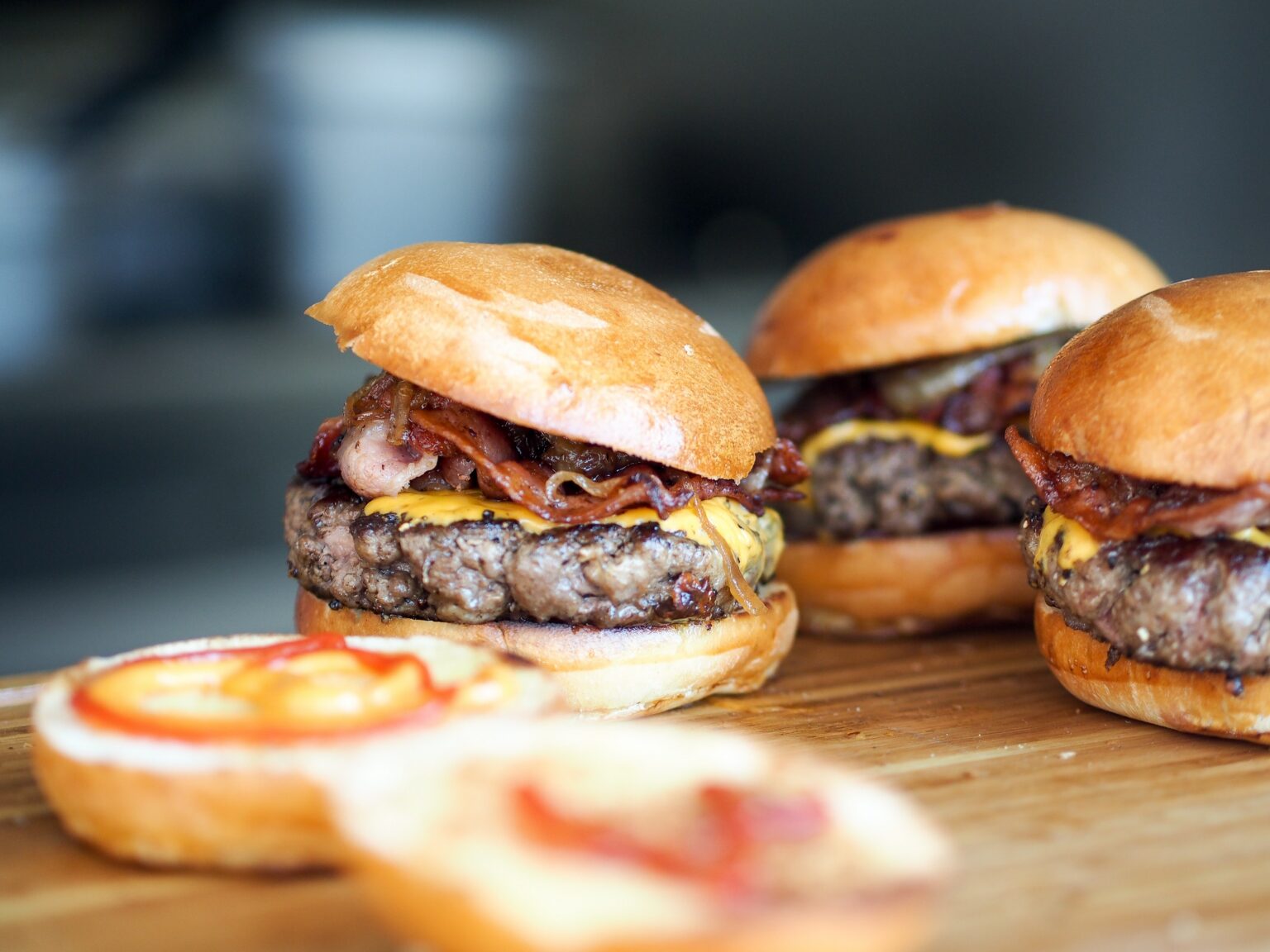
Dietary cholesterol comes almost entirely from animal products — eggs, dairy, meat, poultry, and shellfish. These foods don’t always list cholesterol on their labels, which makes it easy to forget that they’re the key contributors in our diets.
The USDA recommends keeping cholesterol intake under 300 mg per day.
But here’s the catch:
Foods labeled “cholesterol free” can still be unhealthy. Many of them contain high levels of trans fats, which raise LDL, lower HDL, and can be even more harmful than cholesterol itself.
Better Options for Heart Health
The best foods for maintaining healthy cholesterol levels are low in both cholesterol and saturated fat. These are mostly plant-based foods:
- Beans, peas, lentils
- Whole grains
- Nuts and seeds
- Most fruits and vegetables
If you eat meat, choose healthier cooking methods like baking, broiling, boiling, poaching, or roasting, and stick to poultry, fish, or lean cuts.
And yes — you can safely enjoy about one egg a day if you don’t have diabetes or heart disease.



Leave a Reply