


Your lifespan isn’t just about your genes. While genetics play a role, research shows that diet, lifestyle, and daily habits have a much bigger impact. By making the right choices, you can increase your chances of living a longer, healthier life.
Here are 13 science-backed habits linked to longevity:
- Avoid Overeating
Eating fewer calories may help you live longer and reduce the risk of disease. Studies suggest that controlled calorie intake lowers body weight and belly fat—both linked to shorter lifespans. However, extreme calorie restriction is hard to sustain and can cause side effects like constant hunger or low energy.
Tip: Eat until satisfied, not stuffed.
- Eat More Nuts
Nuts are rich in protein, fiber, healthy fats, vitamins, and minerals. Regular nut eaters have a lower risk of heart disease, diabetes, certain cancers, and premature death.
Tip: Aim for a handful of nuts daily.
- Add Turmeric to Your Diet
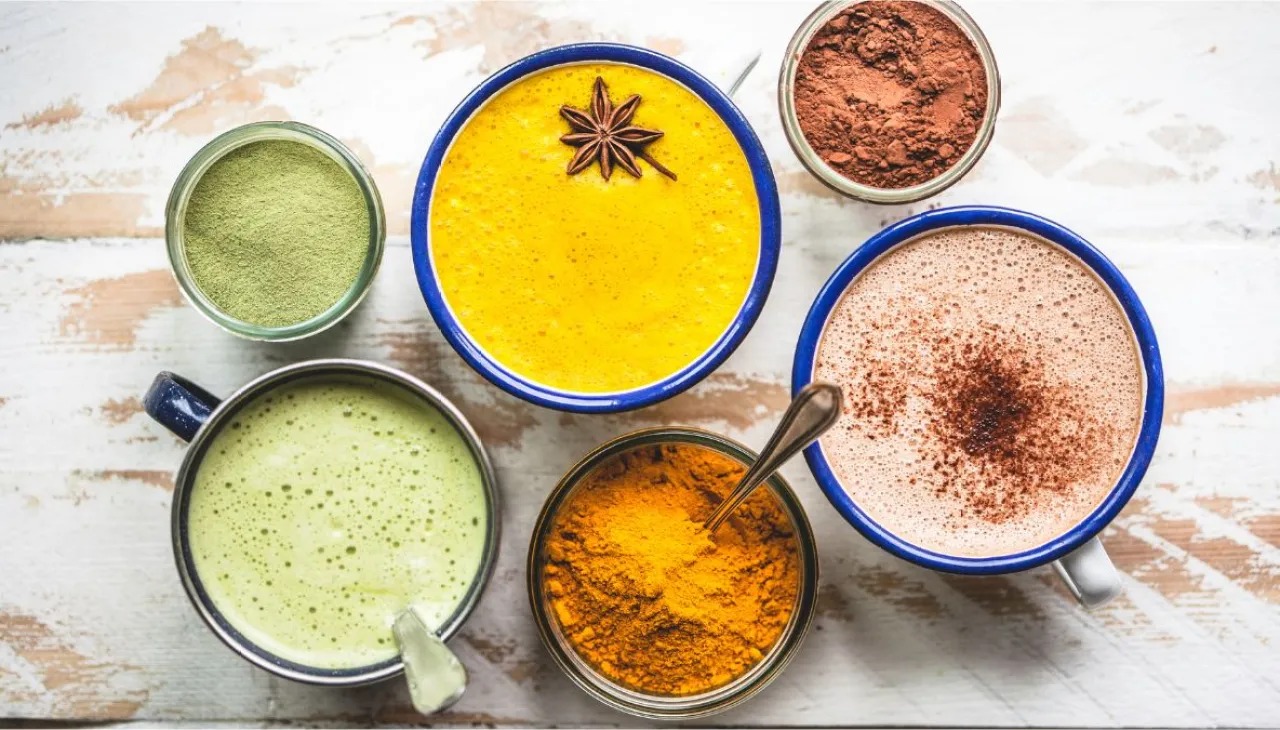
Turmeric contains curcumin, a compound with powerful anti-inflammatory and antioxidant effects. It may help protect the brain, heart, lungs, and reduce the risk of age-related diseases.
Tip: Use turmeric in cooking or as a tea.
- Eat Plenty of Plant Foods
Fruits, vegetables, legumes, seeds, and whole grains are packed with nutrients and antioxidants that fight disease. Plant-based diets are linked to a reduced risk of cancer, heart disease, and early death.
Tip: Fill at least half your plate with plant foods.
- Stay Physically Active
Even 15 minutes of daily exercise can add years to your life. The more you move, the greater the benefits. Regular activity lowers your risk of heart disease, diabetes, and premature death.
Tip: Aim for 150 minutes of exercise per week.
- Don’t Smoke
Smoking is one of the biggest killers. On average, smokers lose up to 10 years of life. The good news? Quitting at any age increases life expectancy.
Tip: If you smoke, quit today—it’s never too late.
- Drink Alcohol in Moderation
Heavy drinking is harmful, but moderate intake, especially of red wine, may have protective benefits for the heart. Still, if you don’t drink, there’s no need to start.
Tip: Women should stick to 1 drink a day, men to 2 or less.
- Prioritize Happiness
Happier people tend to live longer. Studies show that a positive outlook can lower stress and increase lifespan.
Tip: Do what makes you smile every day.
- Reduce Stress and Anxiety
Chronic stress can shorten your life and increase the risk of disease. Optimism, laughter, and relaxation techniques can counter this.
Tip: Practice mindfulness, prayer, or deep breathing daily.
- Build Strong Social Connections
Strong relationships improve immunity, reduce stress, and increase survival rates. People with supportive social networks live significantly longer.
Tip: Stay connected with friends, family, and community.
- Be More Conscientious
People who are organized, disciplined, and goal-oriented tend to live longer. They are less likely to take health risks and more likely to care for themselves.
Tip: Start small—stick to routines and keep commitments.
- Drink Coffee or Tea
Both are rich in antioxidants and linked to a reduced risk of diabetes, heart disease, and certain cancers. Moderate drinkers have a lower risk of early death compared to non-drinkers.
Tip: Limit caffeine to 3–4 cups per day.
- Get Enough Quality Sleep
Both too little and too much sleep can harm health. The sweet spot is 7–8 hours per night, with consistent sleep and wake times.
Tip: Create a bedtime routine and stick to it.
Summary:
Living longer isn’t just about luck or genetics—it’s about lifestyle choices. By eating well, moving more, staying positive, and building strong social ties, you can improve both your lifespan and quality of life.



Leave a Reply